
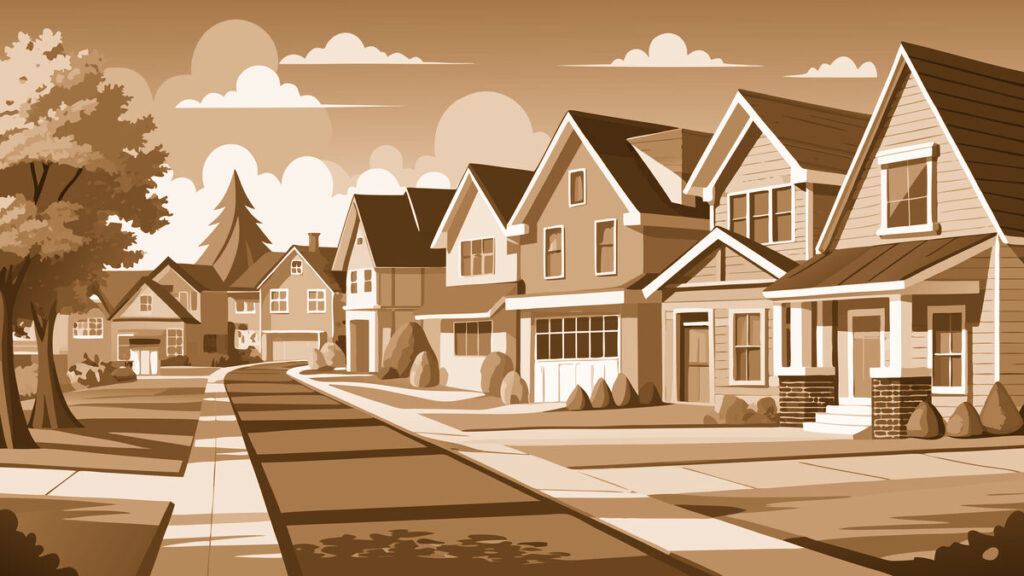
Nestled in the heart of Kent, WA, the Kent Shires neighborhood boasts a story as intriguing as the gently curving streets and wooded pathways that define its character today. Blending old-world charm with a vibrant sense of community, Kent Shires is a testament to how history, place, and people come together to create something truly special. Whether you’re a longtime resident or just passing through, the legacy of Kent Shires is everywhere you look—etched into its geography, its architecture, and its enduring sense of neighborly pride.
The Origins of Kent Shires
The story of Kent Shires begins in the early 1970s, when Kent was transforming from a largely agricultural area into a suburban haven for Seattle-area families seeking a quieter life. The developers behind Kent Shires had a vision: to evoke the pastoral beauty and close-knit feel of English countryside communities. That vision inspired both the name and the layout of the neighborhood.
In naming Kent Shires, the developers drew inspiration from the "shires" of England—historic counties known for their green landscapes, village commons, and sense of heritage. It was a fitting tribute, since Kent itself shares a name with one of England’s oldest counties. The development's design matched its aspirational name, featuring winding side streets, cul-de-sacs, and generous green spaces that encouraged neighbors to meet and kids to play safely outside.
Key Historical Milestones
- 1973-1975: Neighborhood Construction
The first homes sprang up along SE 240th Street, marking the genesis of Kent Shires. With classic mid-century designs, brick façades, and pitched roofs, the architecture paid homage to both American suburbia and old English stylings.
- 1980s: Establishment of Kent Shires Park
As families settled in, the need for local recreation grew clearer. The community successfully petitioned the city, and Kent Shires Park was established on SE 245th Place. Deemed the “green jewel” of the neighborhood, it offered grassy open fields, a children’s play structure, and shady picnic areas.
- 1990s: Formation of the Kent Shires Neighborhood Association
To preserve the area’s unique charm and manage its upkeep, neighbors banded together to form the Kent Shires Neighborhood Association, which continues to host social gatherings and neighborhood clean-up days throughout the year.
- 2000s-Present: Embracing Growth While Preserving Character
The 21st century saw Kent expand rapidly, but Kent Shires has remained a stronghold of tradition. Newer homes and small modernizations have blended seamlessly with classic residences, thanks in part to community-driven design guidelines.
Notable Landmarks and Institutions
Kent Shires may not boast high-rise towers or bustling business districts, but its landmarks tell the story of a community deeply rooted in tradition:
- Kent Shires Park: Located near the intersection of SE 245th Place and 118th Avenue SE, Kent Shires Park is where generations of children have learned to swing, neighbors have gathered for summer barbecues, and dog-walkers greet each other under leafy canopies. The park’s mature maples are especially beautiful in autumn.
- Original Entrance Sign: At the corner of SE 240th Street and 116th Avenue SE stands the original handcrafted Kent Shires neighborhood sign—a small but meaningful landmark that signals home to residents.
- Covington Creek: Flowing softly along the neighborhood’s southern edge, Covington Creek has long served not only as a natural boundary but as a cherished green corridor. Watch for families of ducks or the occasional heron fishing in its shallow waters.
- Nearby Institutions: While not technically within its bounds, Kent Shires has always felt closely linked to Panther Lake Elementary to the north and Kentlake High School, both of which have educated several generations of Shires residents.
The Evolving Character of Kent Shires
Through the decades, Kent Shires has seen its share of change. The once-vast farmlands that bordered its southern blocks have given way to new family developments, and busy thoroughfares like 116th Avenue SE are now dotted with more cars than horses. Yet, in many ways, life here retains the rhythms of an earlier era.
- Community Bonds: The annual Kent Shires Block Party is a highlight of summer—complete with barbecues, games, and the ever-popular pie-baking contest. These gatherings remind newcomers and old-timers alike that Kent Shires is more than its houses; it’s about the people who live, laugh, and grow here.
- Architectural Integrity: While a handful of newer homes dot the landscape, most residences maintain their classic styling, owing to both association guidelines and homeowners’ pride in the area’s heritage feel.
- Green Commitment: Even as development has crept closer to its borders, Kent Shires has doubled down on green stewardship. Residents have organized tree-planting events and lobbied for the preservation of neighborhood parks and creekside walking trails.
Why Kent Shires Still Feels Like Home
What sets Kent Shires apart isn’t just its history, but the way that history is lived day by day. On a walk through the tree-lined lanes of SE 242nd Street or the gently rising curve of 119th Avenue SE, you’ll find kids riding bikes, neighbors sharing gardening tips, and a quiet dignity that comes from decades of shared experience. The neighborhood’s English-inspired moniker may have been a marketing flourish, but over time, it’s come to represent something truer: a place where heritage isn’t just remembered, but honored in daily life.
As Kent continues to grow and change, Kent Shires stands as a quiet reminder of the importance of roots—of knowing where you come from and holding space for where you want to go. In Kent Shires, the past and future walk side by side, just like the neighbors who call this special part of Kent, Washington, their home.